
sight glass
Level gauge and Sight glass
ก.พ.
Level gauge and Sight glass
In the complex and varied landscape of industrial operations, accurate process monitoring is a cornerstone of efficiency and safety. Among the tools employed for this critical task are level gauges and sight glasses. While both devices serve to provide visibility into tanks and vessels, their specific functions, applications, and designs set them apart. This article aims to clarify the differences between level gauges and sight glasses, helping professionals choose the right tool for their monitoring needs.
What is the difference between a level gauge and a sight glass?
-What is a Level Gauge?
A level gauge is an instrument designed specifically to measure the level of liquids or solids within a tank or vessel. It provides precise quantitative data on the material’s level, which can be read directly or transmitted to a control system.
-What is a Sight Glass?
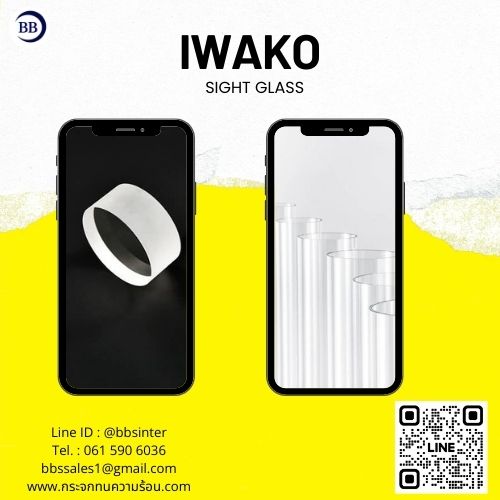
A sight glass, on the other hand, is a device that allows direct visual observation of the contents inside a tank or pipeline. It is essentially a window fitted onto equipment, providing a means to visually check the presence, color, and condition of the fluid or to observe mechanical operations. Sight glasses do not typically offer precise measurement data but are invaluable for qualitative assessments. They can be simple, like a tube or a window, or more complex, incorporating additional features for specific applications.
Key Differences Between Level Gauges and Sight Glasses
1. Functionality:
Level Gauge: Primarily used for measuring and displaying the exact level of contents within a tank.
Sight Glass: Allows for visual inspection without providing precise measurement.
2. Applications:
Level Gauge: Essential in applications where knowing the precise level of a substance is critical for process control, safety, and efficiency.
Sight Glass: Used when visual confirmation of the process or the state of the fluid is required, such as checking for clarity, color, or presence of sediments.
3. Design and Construction:
Level Gauge: May incorporate sophisticated mechanisms or technologies to provide accurate level readings, including floats, magnetic indicators, or pressure sensors.
Sight Glass: Generally simpler, consisting of a glass or transparent plastic window that can withstand the operating conditions (pressure, temperature, and chemical compatibility).
4. Measurement Precision:
Level Gauge: Offers quantitative data on the material’s level within a tank or vessel.
Sight Glass: Provides a qualitative view of the contents, without direct measurement capabilities.
Conclusion
While both level gauges and sight glasses play pivotal roles in the monitoring and control of industrial processes, their distinct functions cater to different needs. Level gauges offer the precision necessary for critical measurements and automated control systems, whereas sight glasses provide the visual access required for qualitative assessments and checks. Understanding the differences between these two devices is crucial for selecting the right tool for your specific application, ensuring both operational efficiency and safety.
Borosilicate sight glass for sale : Borosilicate Round Sight Glass , Borosilicate Safety Sight Glass , Borosilicate Sight Glass Tube , Borosilicate Disc Sight Glass , Sight Glass High Pressure , Sight Glass High Temperature , Sight Glass High Temp , High Temperature Oil Sight Glass. Contact us today for expert advice and tailored solutions.
Line ID : @bbsinter
Tel. 061-5906036
FACEBOOK บีบี สตีล อินเตอร์เนชั่นแนล