
Anode
Is magnesium a cathode or anode?
มี.ค.
Is magnesium a cathode or anode?
Is magnesium a cathode or anode? : In the diverse and intricate world of electrochemistry, the roles of cathode and anode are pivotal for the operation of batteries, corrosion protection systems, and various other applications. When it comes to magnesium, a lightweight and highly reactive metal, its role in electrochemical cells is both specific and significant. This article explores whether magnesium serves as a cathode or an anode, delving into the principles that determine its function in different electrochemical contexts.
Understanding Cathodes and Anodes
To comprehend magnesium’s role, it’s crucial to first understand what cathodes and anodes represent in electrochemical cells. An anode is defined as the electrode where oxidation occurs—this is where electrons are lost. On the other hand, a cathode is the electrode where reduction happens, meaning it gains electrons. The direction of electron flow and the type of cell (galvanic or electrolytic) play critical roles in determining which electrode serves as the anode or cathode.
Magnesium as an Anode
In the context of magnesium and its most common application in electrochemical cells, magnesium acts as an anode. This is particularly evident in galvanic cells, such as those used in sacrificial anodes for corrosion protection. Magnesium, with its high negative electrochemical potential, is more reactive than many other metals it protects, making it an ideal sacrificial anode. When magnesium is used in such a context, it undergoes oxidation by losing electrons and thus corrodes, sparing the protected metal (like steel) from corrosion. This protective process highlights magnesium’s role as an anode, as it is the site of oxidation.
Why Not a Cathode?
Given its high reactivity and tendency to lose electrons easily, magnesium is not typically used as a cathode in electrochemical cells. Cathodes are characterized by their ability to gain electrons, a role that does not align with magnesium’s chemical properties. Instead, materials that are less reactive and more inclined to gain electrons, such as copper or silver, are more suitable as cathodes in various electrochemical applications.
Applications of Magnesium Anodes
Magnesium anodes are widely used for cathodic protection systems, especially in environments where corrosion is a significant concern, such as in buried pipelines, water heaters, and marine structures. The effectiveness of magnesium anodes in these applications stems from their ability to provide a steady flow of electrons to the cathodic metal, thereby preventing its corrosion. This application underscores the suitability of magnesium as an anode, capitalizing on its high reactivity and negative potential to offer superior protection against corrosion.
Conclusion
In the realm of electrochemistry, magnesium predominantly serves as an anode rather than a cathode. This designation stems from magnesium’s chemical properties, specifically its high reactivity and propensity to oxidize (lose electrons) readily. By acting as a sacrificial anode, magnesium plays a crucial role in protecting other metals from corrosion, a testament to its invaluable contribution to extending the lifespan and integrity of metal structures in various environments. Understanding magnesium’s role as an anode not only clarifies its application in electrochemical cells but also highlights its importance in industrial and engineering solutions for corrosion protection.
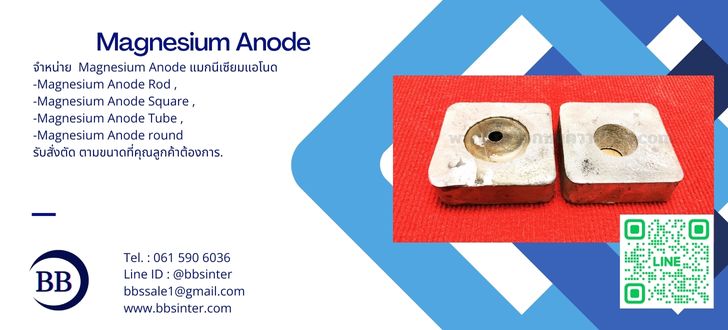
Magnesium anode suppliers : Magnesium Anode Rod , Magnesium Anode Square , Magnesium Anode Tube ,Magnesium Anode round.
Line ID : @bbsinter
Tel. 061-5906036