
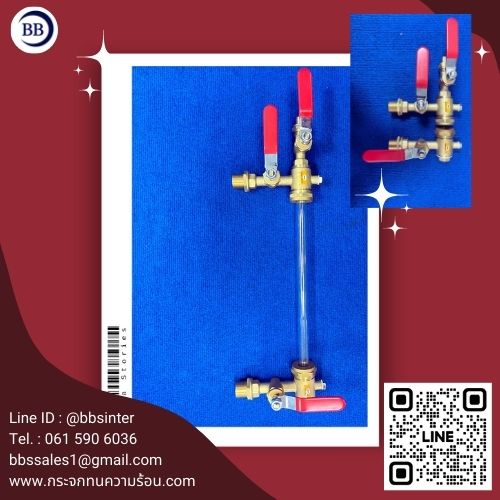
level gauge, sight glass
How do I properly install a brass gauge valve?
มี.ค.
How do I properly install a brass gauge valve?
How do I properly install a brass gauge valve?. Brass gauge valves play an instrumental role in various industrial applications, ensuring seamless operations and accurate measurements. But their efficacy is heavily reliant on proper installation. Missteps during the process can compromise system integrity and lead to inefficiencies or potential hazards. This guide aims to provide a comprehensive overview of the proper installation of a brass gauge valve.
The Correct Way to Install a Brass Gauge Valve: A Step-by-Step Guide
-Preparation: Tools and Materials
Before diving into the steps, ensure you have the following tools and materials:
Adjustable wrench or spanner
Thread sealant (PTFE tape or liquid thread sealant)
Safety gloves and glasses
Brass gauge valve
Clean cloth

-Step-by-Step Installation Brass Gauge Valve
Safety First: Before starting the installation, ensure that the system is shut off and fully depressurized. Always wear safety gloves and glasses to protect yourself from any residual chemicals or pressure.
Inspect the Valve: Before installation, inspect the brass gauge valve for any visible defects, damages, or foreign objects that might hinder its operation or compromise its integrity.
Prepare the Threads: If you’re using a threaded connection, clean the threads on both the valve and the connecting part. Ensure there are no residues, dirt, or burrs.
Apply Sealant: To prevent leaks, apply a suitable thread sealant. If using PTFE tape, wrap it around the male threads in a clockwise direction. Ensure you don’t over-wrap, as this can make it difficult to thread the valve correctly. If using liquid sealant, apply a thin layer on the threads.
Hand-Tighten: Start by threading the valve onto the connection by hand. This ensures that you don’t cross-thread the connection, which can damage the threads and compromise the seal.
Final Tightening: Using an adjustable wrench or spanner, tighten the valve into place. Be cautious not to overtighten as this can damage the valve or the connecting component.
Positioning: Ensure the valve is in the correct orientation for its function. For instance, if it’s a block and bleed valve, ensure that the vent or bleed point is accessible and facing in a safe direction.
Test: Once installed, slowly reintroduce pressure to the system and check for any leaks around the valve connection. If you spot any, turn off the system, depressurize, and check the connection.
Maintenance and Considerations
Regular Checks: Periodically inspect the valve for any signs of wear, corrosion, or leaks. Proper maintenance can prolong the life of your brass gauge valve and ensure safety and efficiency.
Replacement: Like all components, brass gauge valves have a lifespan. If you notice consistent issues or if the valve has been in use for a long time, consider replacing it.
Conclusion
Proper installation of a brass gauge valve is paramount to ensure its effective functioning and the safety of the overall system. By following the outlined steps and maintaining regular checks, you can ensure that your valve operates efficiently for its entire lifespan. Remember, when in doubt, always consult with a professional or the valve manufacturer.
BB Steel Internationnal Supplier product “IWAKO” : Borosilicate Sight Glass ,Disc Sight Glass,Round Sight Glass, Tube Sigh Glass, Water Liquid Level Gauge , Water Level Gauge,Bronze water gauge valve,Gauge Valve with Sight Glass Tube ,Stainless Steel Liquid Level Gauges , Stainless Steel Gauge Cock,Water Gauge ,Gauge Valve with Sight Glass Cock, Oil Level Gauge , Bronze Water Gauges,Brass Oil Level Gauge , Flow Sight Glass.
Line ID : @bbsinter
Tel. 061 – 590 6036