
level gauge
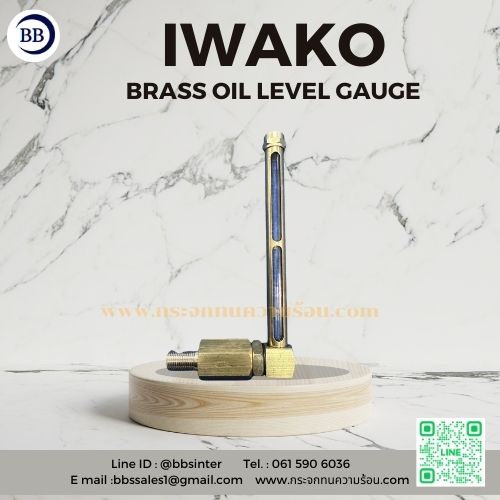
How do brass oil level indicators compare to those made of other materials?
เม.ย.
How do brass oil level indicators compare to those made of other materials?
Brass oil level indicators have distinct characteristics that set them apart from those made of other materials. To provide a comprehensive comparison, let’s consider some common materials used for oil level indicators: plastic, stainless steel, and aluminum.
Brass vs. Plastic:
Durability: Brass is significantly more durable than most plastics. While plastics can degrade over time, especially when exposed to certain chemicals or UV radiation, brass maintains its integrity for longer periods.
Temperature Resistance: Brass can handle higher temperatures compared to many plastics. Plastic oil level indicators might warp or deform under high temperatures, affecting their accuracy.
Aesthetics: Brass has a natural sheen and a more premium look compared to plastic, which might appear less professional in certain settings.
Cost: Plastic is generally cheaper than brass. However, considering the longevity and durability of brass, the long-term investment might be more cost-effective with brass.

Brass vs. Stainless Steel:
Corrosion Resistance: Both materials are resistant to corrosion, but stainless steel might have an edge in environments with highly corrosive substances.
Strength: Stainless steel is stronger than brass. However, for the specific application of oil level indicators, brass’s strength is often sufficient.
Weight: Brass is denser and heavier than stainless steel. This might be a consideration in applications where weight is a concern.
Cost: Stainless steel is generally more expensive than brass, but prices can vary based on the grade and quality of the steel.
Brass vs. Aluminum:
Corrosion Resistance: While both materials resist corrosion, aluminum can form an oxide layer when exposed to the atmosphere, which can protect it further. Brass, on the other hand, resists corrosion especially well in environments with petroleum products.
Strength: Brass is generally stronger than aluminum, making it more resistant to dents and damage.
Weight: Aluminum is lighter than brass, which might be preferable in applications where weight savings are essential.
Thermal Conductivity: Both materials have good thermal conductivity, but aluminum tends to conduct heat more efficiently than brass.
Conclusion:
The choice between brass and other materials for oil level indicators largely depends on the specific application and the environment in which the indicator will be used. While brass offers a combination of durability, corrosion resistance, and aesthetic appeal, other materials might be more suitable for certain specialized applications. It’s essential to consider the operational requirements, budget, and desired lifespan when making a decision.
Line ID : @bbsinter
Tel. 061 – 590 6036
www.bbsteelinternationnal.blogspot.com
FACEBOOK บีบี สตีล อินเตอร์เนชั่นแนล