
level gauge
Differences Between Brass and Steel Sight Glass Gauges
มี.ค.
Differences Between Brass and Steel Sight Glass Gauges
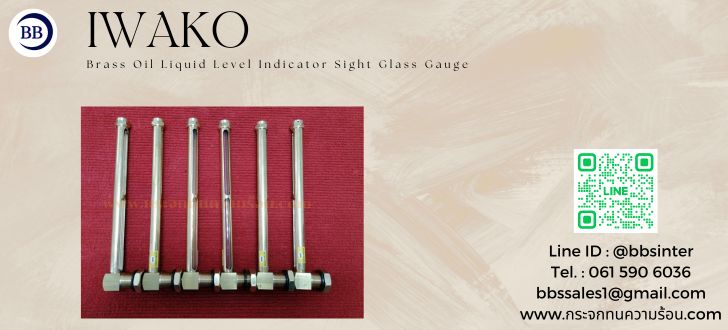
Sight glass gauges are essential tools in various industries, used for monitoring the level of liquids in tanks, machines, and other equipment. These gauges can be made from various materials, with brass and steel being two common choices. Below, we’ll explore the differences between brass and steel sight glass gauges:
1. Material Composition:
Brass: Brass is an alloy primarily made up of copper and zinc. The proportions can vary, which can lead to different brass types with distinct properties.
Steel: Steel is an alloy consisting mainly of iron and carbon. Various types of steel can contain other elements like manganese, chromium, and nickel.
2. Corrosion Resistance:
Brass: Brass generally offers good corrosion resistance, especially against water and in marine environments. It tends to resist pitting and is not prone to rust.
Steel: Regular steel can corrode and rust when exposed to moisture. However, stainless steel variants have chromium, which forms an oxide layer, providing excellent resistance against corrosion.
3. Strength & Durability:
Brass: While durable, brass is generally softer than steel. It might wear out faster in high-friction or high-pressure applications.
Steel: Steel is known for its strength and durability, making it ideal for applications where robustness is required.
4. Thermal Conductivity:
Brass: Brass has a relatively high thermal conductivity, which means it can conduct heat quickly. This can be a benefit or drawback depending on the application.
Steel: Steel, especially stainless steel, has lower thermal conductivity, making it a good choice when insulation from heat is needed.

5. Weight:
Brass: Brass is denser and tends to be heavier than steel, depending on the type and application.
Steel: Steel, in many of its forms, can be lighter than brass. However, this can vary based on the specific type of steel.
6. Aesthetics:
Brass: Brass has a golden hue, which can be polished to a high shine. Over time, if not properly maintained, brass might tarnish.
Steel: Steel has a silver-gray appearance. Stainless steel can be polished to a mirror finish and maintains its appearance for a long time without tarnishing.
7. Machinability:
Brass: Brass is easy to machine, and tools tend to last longer since it’s softer and less abrasive than steel.
Steel: Steel requires more energy to machine than brass, and it can be tougher on tools.
8. Cost:
Brass: Generally, brass tends to be more expensive than basic steel due to the cost of copper. However, prices fluctuate based on market conditions.
Steel: Basic steel is often cheaper than brass, but specialized steels, like stainless steel, can be more expensive.
Conclusion:
The choice between brass and steel sight glass gauges will largely depend on the application, environment, and specific requirements of the task. While brass offers excellent corrosion resistance and aesthetic appeal, steel provides strength and durability. Always consider the needs of your project when choosing the right material.
Line ID : @bbsinter
Tel. 061-5906036